


Electric Vehicle Tax Concessions Under Review: Key Implications for Businesses
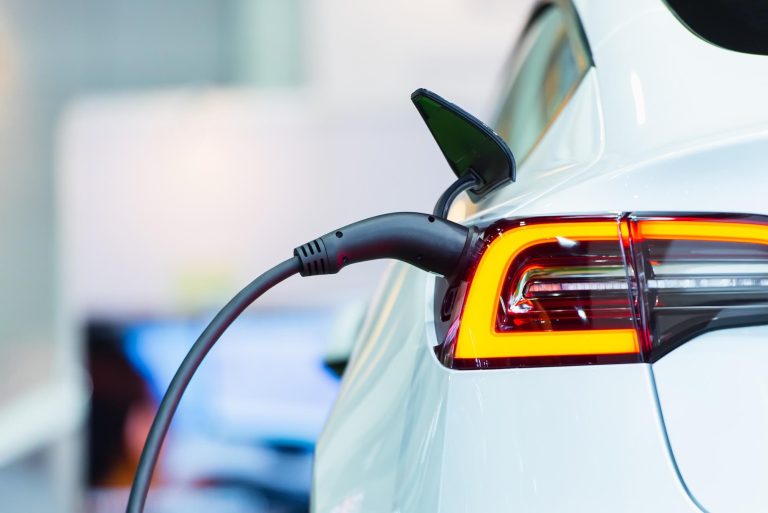
Electric cars have rapidly moved to the mainstream of the Australian car market. By late 2025, more than 8% of new vehicle sales are electric, a shift driven not only by environmental considerations but also by a suite of favourable tax settings.
Central to this has been the Federal Government’s Electric Car Discount, introduced in mid-2022, which has substantially reduced the cost of acquiring electric vehicles for both employers and employees.
That framework, however, is now subject to formal review. Although no immediate changes have been announced, the review highlights the importance of understanding how the concession operates, whether it remains appropriate for your circumstances, and how timing may affect future decisions.
How the Electric Car Discount Operates
The Electric Car Discount does not provide a direct rebate. Instead, it works through a combination of tax concessions that can materially lower the effective cost of an eligible electric vehicle.
Fringe Benefits Tax exemption
The most significant concession is the exemption from Fringe Benefits Tax where an eligible electric vehicle is provided to an employee and made available for private use. In the absence of this exemption, FBT can apply at an effective rate of up to 47%. For many employees, the exemption translates into savings of several thousand dollars per year.
Key eligibility points include:
- The exemption applies to battery electric vehicles and hydrogen fuel cell vehicles.
- Plug-in hybrid vehicles are no longer eligible for new arrangements entered into from 1 April 2025.
- The vehicle must be first held and used after 1 July 2022 and must be below the luxury car tax threshold at the time of first purchase.
Higher luxury car tax threshold
Fuel-efficient vehicles, including EVs, are subject to a higher luxury car tax threshold. For the 2025–26 year, this threshold is $91,387, compared to $76,950 for other vehicles. This higher limit can prevent the 33% luxury car tax from applying to part of the vehicle’s purchase price.
Reduced import costs
Certain electric vehicles are also exempt from the 5% customs duty, reducing upfront acquisition costs and improving overall affordability.
Taken together, these concessions have made EVs commercially attractive. When combined with lower running costs, reduced maintenance requirements and relatively strong resale values, electric vehicles have become a compelling option for salary packaging arrangements and business fleets.
Why the Concessions Are Being Reviewed
A statutory review of the Electric Car Discount is now underway, driven primarily by fiscal considerations. Uptake has exceeded initial expectations, resulting in a higher projected cost to the Federal Budget over the forward estimates.
The review will consider:
- Whether the concession remains necessary to encourage further EV adoption.
- Whether eligibility criteria should be refined, such as by restricting benefits to certain vehicle types or price points.
- How the discount aligns with broader policy settings, including the National Vehicle Emissions Standard commencing in 2025.
Public consultation is currently in progress, with a final report not expected until mid-2027. Importantly, there has been no indication of imminent legislative change, and any adjustments are likely to apply prospectively rather than retrospectively.
What Businesses and Employees Should Consider Now
While policy reviews can create uncertainty, the current legislative framework remains in force. From a practical standpoint:
- Businesses and employees should review fleet and salary packaging strategies, particularly if a vehicle replacement is anticipated within the next one to two years.
- Considerations should be taken to ensure vehicles fall below the luxury car tax threshold at the time of first purchase and satisfy all eligibility conditions for the FBT exemption.
Concluding Remarks
Despite the commencement of a formal review, the Electric Car Discount remains one of the most valuable tax concessions available in relation to employee vehicles. Under the current rules, electric vehicles can deliver meaningful tax and cash-flow benefits when structured correctly.
For businesses and individuals considering an electric vehicle, now is an appropriate time to assess the numbers and consider strategic timing.